
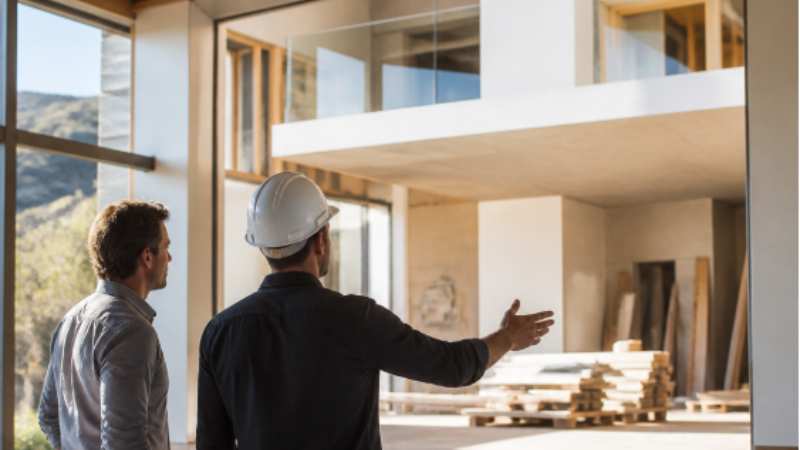
Creating a home that reflects personal style while meeting functional demands requires more than selecting finishes from a catalog. The process involves coordinating architects, contractors, and designers while managing timelines, budgets, and unexpected challenges. For those pursuing high-end residential projects, understanding how construction actually unfolds—versus how it appears in glossy magazines—makes the difference between a smooth build and a stressful ordeal.
The Hidden Complexity Behind Custom Residential Projects
Custom home construction operates on multiple simultaneous tracks. While architectural drawings provide the blueprint, the reality involves coordinating subcontractors, managing material procurement, navigating permit processes, and adjusting for site-specific conditions. Premium builds amplify these complexities through specialized materials, custom millwork, and integrated systems that demand precision installation. A single delay in stone fabrication can cascade through the schedule, affecting cabinetry installation, countertop templating, and final inspections.
Site conditions frequently introduce variables that drawings cannot anticipate. Soil composition affects foundation work. Existing utilities may require relocation. Weather patterns delay exterior work. Experienced builders account for these realities in their planning, but homeowners often encounter them for the first time. The gap between expectation and reality grows widest when clients underestimate how decisions made during construction affect both timeline and budget. Changing a window specification after framing begins triggers structural modifications, new engineering calculations, and revised permit submissions.
Why Timeline Estimates Rarely Match Actual Completion
Construction schedules depend on sequential completion of interdependent tasks. Framing cannot begin until foundations cure. Drywall installation waits for mechanical, electrical, and plumbing rough-ins. Final finishes require completed drywall. When one trade falls behind, the entire sequence shifts. Material lead times compound these delays—custom windows may require twelve weeks, imported tile sixteen weeks, specialized fixtures twenty weeks. Ordering these items early helps, but design changes during construction reset the clock.
Renovation projects face additional complications when existing conditions diverge from assumptions. Opening walls reveals outdated wiring, hidden water damage, or structural modifications from previous owners. Addressing these discoveries extends timelines significantly, often doubling initial estimates. Premium renovations encounter these issues more frequently because older homes with character and location desirability often harbor decades of accumulated modifications.
The Permit Process as a Schedule Wildcard
Municipal review timelines vary dramatically by jurisdiction and project complexity. Simple permits may clear in weeks; complex projects involving variances, environmental reviews, or design board approvals can take months. Resubmissions after plan check comments add further delays. Savvy builders submit permits early and maintain relationships with building departments, but even experienced teams face unpredictable wait times. Jurisdictions experiencing building booms often struggle with understaffed permit offices, extending review periods beyond historical norms.
Material Selection and Its Ripple Effects
Every material choice carries implications beyond aesthetics. Natural stone requires specialized fabrication and reinforced structural support. Large-format tile demands perfectly flat substrates and experienced installers. Custom cabinetry needs precise measurements taken after framing settles. These specifications affect scheduling, labor costs, and installation sequences. Premium materials often come from limited sources with longer lead times and stricter installation requirements.
Sustainability considerations add another layer. Reclaimed materials require sourcing time and condition assessment. High-performance building envelopes need careful detailing to achieve rated performance. Energy-efficient systems require integration planning that begins during design and continues through construction. These elements contribute to long-term home performance but demand upfront coordination that impacts the construction timeline.
The Builder Relationship as Project Foundation
Successful custom home projects rest on clear communication between homeowner and builder. This relationship requires mutual trust, realistic expectations, and transparent discussion of tradeoffs. When working with a luxury custom home builder Washington clients value, the partnership should include regular updates, documented decisions, and collaborative problem-solving when challenges arise. Builders who explain why certain approaches work better than alternatives help clients make informed choices rather than reactive decisions.
The best builders bring more than construction expertise—they offer design insight, material knowledge, and process management that protects both budget and vision. They identify potential conflicts before they become expensive problems. They maintain relationships with reliable subcontractors who deliver quality work on schedule. They understand how to sequence work efficiently and when to push timelines versus when delays serve the project better than rushing.
Budget Management Through Construction Phases
Initial budgets provide starting points, not fixed limits. Effective cost management requires maintaining contingency reserves, tracking expenditures against estimates, and making strategic decisions when costs exceed projections. Value engineering—finding equivalent alternatives that reduce costs without compromising design intent—becomes essential when budget pressures emerge. Sometimes this means selecting different materials. Other times it involves simplifying details that consume disproportionate labor without contributing to the overall design.
Premium projects demand careful prioritization. Not every element carries equal importance to the final result. Investing in superior structural systems, high-performance windows, and quality mechanical systems delivers long-term value. Allocating budget to features visible in daily living—kitchen functionality, primary suite finishes, spatial flow—typically yields more satisfaction than spreading resources evenly across all components. Experienced builders help clients identify where to invest and where to economize without diminishing the overall result.
Schenkar Construction’s Approach to Transparent Building
Firms specializing in high-end residential work develop systematic approaches to managing complexity. Detailed project schedules break work into manageable phases with clear milestones. Regular site meetings keep all parties informed and aligned. Digital project management tools provide real-time visibility into progress, pending decisions, and schedule impacts. This infrastructure transforms construction from a mysterious black box into a transparent, manageable process.
Quality control measures embedded throughout construction catch issues early when corrections remain straightforward and affordable. Pre-installation meetings review specifications and expectations. Progress inspections verify work quality before subsequent trades cover it. Final walkthroughs identify punch list items while contractors and trades remain mobilized on site. These practices deliver homes that meet design intent without compromising on execution quality.
Moving Forward with Realistic Expectations
Custom home construction rewards those who enter the process with clear priorities, flexible timelines, and realistic budgets. Understanding that challenges will emerge allows for proactive responses rather than reactive scrambling. Selecting a builder based on experience, communication style, and demonstrated quality provides the foundation for navigating inevitable complications. The journey from design concept to completed home involves countless decisions and adjustments, but the result—a space precisely tailored to your needs and preferences—justifies the effort invested along the way.