
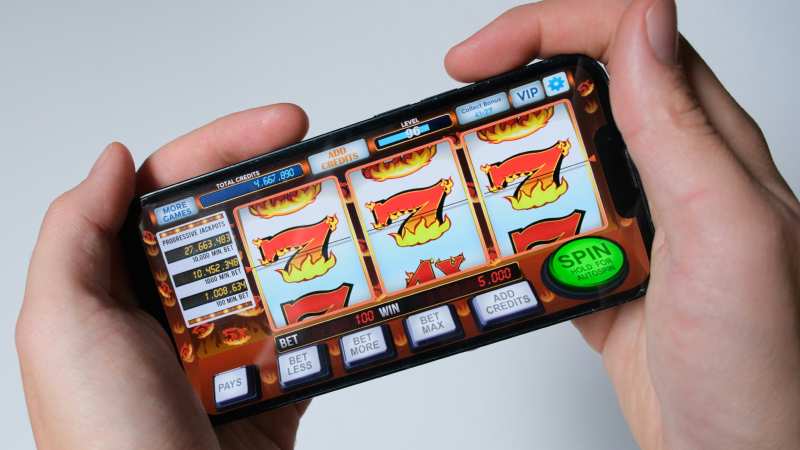
Picture yourself relaxing on the couch, tapping through colorful slot reels on your smartphone. Now imagine playing the same game on a desktop computer, where a larger monitor brings every visual detail, bonus feature, and intricate reel animation into sharper focus.
Both formats offer familiar slot mechanics, but screen dimensions, controls, performance, and accessibility create different experiences. Understanding these distinctions helps players choose a format that suits their individual preferences as slot technology evolves.
Screen Size Changes How You Experience the Game
Screen size directly influences how slot games present information. Mobile developers work within limited display space, prioritizing essential controls while keeping secondary features accessible through streamlined menus that avoid overcrowding the interface.
A smartphone typically displays spinning reels, a prominent spin button, and the current wager. Additional settings and detailed paytables often sit behind expandable menus, while some games support portrait and landscape orientations to accommodate different layouts and navigation preferences.
Desktop casinos take a different approach. Larger monitors accommodate detailed graphics, navigation panels, and account information simultaneously. Players can access additional controls without sacrificing visibility or navigating through multiple layers of menus.
Consider a video slot featuring expanding reels, animated characters, and interactive bonus features with detailed on-screen information. Desktop displays provide more visual space, while mobile layouts prioritize central gameplay. Neither approach is inherently superior, and accessibility needs, including text readability and sensitivity to animations, can influence which layout works better.
Touchscreens vs. Mouse Controls: A Different Way to Play
Tapping a touchscreen creates a different interaction from clicking a mouse. Mobile slot interfaces typically feature large, accessible buttons positioned within comfortable reach, making common actions straightforward without requiring precise cursor movements.
Developers often place frequently used controls near the bottom of the screen for easier thumb access, while secondary functions remain inside expandable menus. Players exploring a slots app can browse available titles and examine different game features and betting options.
Desktop controls offer another approach. Mouse navigation simplifies selecting smaller icons, opening paytables, and adjusting settings. Some games also support keyboard shortcuts, providing additional flexibility when navigating menus or using gameplay controls.
Comfort matters across both formats. Prolonged or repetitive interactions can cause discomfort depending on posture, session length, and individual accessibility needs. Familiarity with either control method often influences personal preferences and overall usability.
Graphics, Loading Times, and Device Performance
Modern slot games frequently use HTML5 technology, allowing compatible titles to operate across smartphones, tablets, and desktop browsers. The underlying gameplay mechanics remain consistent even when visual elements adapt to different screen sizes and orientations.
Desktop computers often offer greater processing capacity, additional memory, and larger displays, supporting detailed animations and complex visual effects. Modern smartphones have narrowed this performance gap, although older devices may struggle with demanding graphics.
Battery consumption also matters for mobile players. Graphics-heavy games draw additional power alongside wireless connectivity, screen brightness, and background applications, potentially affecting device performance and remaining battery life during longer sessions.
Internet stability influences both formats. Reliable Wi-Fi generally reduces unexpected connectivity interruptions, although desktop connections can experience problems too. Updated software and fewer background applications can further improve overall responsiveness.
Game Libraries and Features Across Devices
Modern slot games feature increasingly sophisticated mechanics, including cascading symbols, expanding reels, interactive bonus rounds, and elaborate visual themes. Many contemporary titles are designed to operate smoothly across mobile and desktop platforms.
Games available on both devices generally retain the same rules, paylines, and bonus mechanics, even when their presentation differs. Responsive design allows developers to adapt visual elements and control layouts without changing the underlying gameplay.
Game availability isn’t always identical, however. Licensing arrangements, software compatibility, geographic restrictions, and operator decisions can influence platform catalogs. Some casinos also offer exclusive titles or features designed for particular devices.
Checking available games before choosing a platform helps avoid disappointment. Switching devices doesn’t inherently improve winning probabilities, as identical certified game versions retain the same underlying random number generation and mathematical design.
Convenience and Accessibility Beyond the Screen
Mobile gaming offers flexibility that desktop setups cannot easily replicate. Smartphones allow access from different permitted locations, while desktop casinos provide larger monitors, physical keyboards, and comfortable environments for reviewing game information.
Account accessibility also varies between platforms. Some mobile applications support fingerprint or facial authentication, while desktop services commonly offer password-based access and additional verification methods to protect personal account information.
Notifications introduce another distinction. Mobile applications may deliver account updates or promotional alerts directly to smartphones, depending on user preferences. Privacy remains important, particularly when using shared computers, public networks, or unlocked devices.
Players must also consider local gambling restrictions and secure connections when accessing either platform. Responsible gaming tools, including personal spending limits, session reminders, and account controls, remain important regardless of the device used.
Which Platform Fits Your Gaming Preferences?
Choosing between mobile and desktop gaming comes down to how you prefer interacting with digital entertainment. Screen size and navigation preferences often shape that decision. Device performance and accessibility features also influence everyday usability and overall comfort.
Someone accustomed to smartphone games might appreciate familiar touchscreen controls and compact navigation. Another player may prefer the visual clarity of a desktop monitor, particularly when exploring detailed bonus mechanics or reviewing paytables.
The differences become clearer when comparing everyday features.
| Feature | Mobile Slots | Desktop Casino |
| Screen experience | Compact, responsive layout | Larger, expansive display |
| Controls | Touchscreen interaction | Mouse and keyboard |
| Portability | Compatible mobile devices | Generally fixed setup |
| Performance | Battery and device dependent | Hardware and connection dependent |
| Multitasking | Limited display space | Easier side-by-side browsing |
| Game availability | Operator and device dependent | Operator and browser dependent |
Storage space, hardware capabilities, accessibility needs, and internet reliability can influence platform preferences. Regardless of format, understanding game rules and maintaining spending and time limits should take priority over convenience or visual quality.
Different Screens, Familiar Slot Mechanics
Mobile slots and desktop casinos offer distinct experiences shaped by their interfaces, controls, and technology. Smartphones prioritize portability and streamlined navigation, while desktop computers provide larger displays and visual flexibility without changing familiar slot mechanics.
Choosing between formats depends on personal comfort, technology, and individual playing preferences. Understanding these differences helps enthusiasts select a suitable platform while maintaining responsible gaming habits, spending limits, and realistic expectations.