
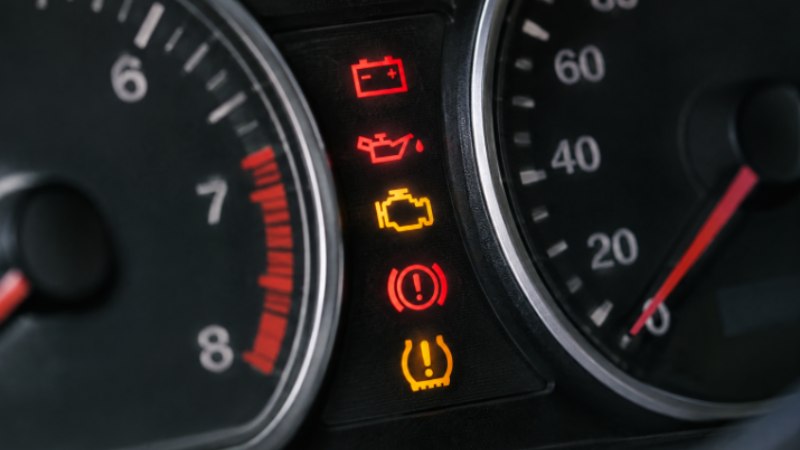
Large SUVs are built for family travel, cargo, towing, and long highway miles, but their added size and equipment can also mean more systems to inspect when something goes wrong. Owners dealing with repeated warning lights, rough shifting, electrical faults, or failed repairs may need clear records if they are considering Tahoe lemon law claims or simply trying to get a lasting repair. The most useful approach is to treat recurring trouble as a pattern rather than a collection of unrelated annoyances. A careful timeline of symptoms, mileage, repair attempts, and time spent in the shop can give a technician, dealer, or vehicle owner a clearer view of what is actually happening.
Why SUV Problems Can Repeat
A returned symptom does not always mean the previous repair was careless or unnecessary. Sometimes a replaced part failed because another system caused the original problem. For example, a warning light may return after a sensor replacement if damaged wiring, a poor electrical connection, or an underlying mechanical fault was never identified. Modern SUVs also depend on computer modules, sensors, cameras, wiring networks, and software calibrations. A fault in one area can produce symptoms elsewhere. A low battery, charging-system issue, or poor ground connection may trigger several unrelated-looking warnings. Mechanical wear can create similar confusion when a suspension component, tire, alignment issue, or worn mount affects ride quality and steering feel.
Warning Signs That Need Attention
Some changes in vehicle behavior should not be written off as ordinary aging. Pay close attention to braking that feels soft, unusually hard, delayed, uneven, or accompanied by warning lights. Steering that pulls, becomes unexpectedly heavy, vibrates severely, or loses power assistance also deserves a prompt inspection. Other important signs include delayed engagement into drive or reverse, harsh shifting, slipping, overheating, unexplained fluid loss, repeated battery drain, flickering displays, failed cameras, and warning messages that return after service. Smoke, a burning odor, a fuel smell, loud engine noise, or severe shaking can indicate a more urgent concern.
Recalls, Service Bulletins, and Complaints
These terms are often used interchangeably, but they describe different records. A safety recall addresses a defect that poses an unreasonable safety risk or fails to meet a federal motor vehicle safety standard. Owners can use the official VIN recall lookup to check whether their vehicle has any unrepaired safety recalls.
- Technical service bulletin: Repair guidance issued to technicians for a known condition, diagnostic method, or updated repair procedure.
- Owner complaint: A report submitted by a driver or owner. It may help identify trends, but it does not prove every vehicle has the same defect.
- Warranty repair: Work completed under the terms of a manufacturer, dealer, or extended warranty.
- Safety investigation: A review of reports and evidence that may or may not result in a recall.
An SUV can have a recurring issue without an open recall. That is why it is useful to compare recall information with service records, symptoms, and professional diagnostic findings.
How To Build a Strong Repair Record
Start documenting the issue as soon as it appears. Each entry should include the date, odometer reading, exact symptom, and driving conditions. Note whether it occurred while starting, braking, turning, towing, idling, driving at highway speed, or using a particular feature such as climate control or a camera system.
- Save every invoice, work order, inspection report, and diagnostic printout.
- Ask the shop to write the customer’s concern clearly on the repair order.
- Take photos or short videos when a warning message, leak, uneven ride height, or visible condition appears.
- Record the parts replaced, software updates performed, and follow-up work recommended.
- Track how long the SUV remains unavailable after every service visit.
- Write whether the symptom was fixed, improved, unchanged, or returned.
For a used SUV, maintenance documents can be just as important as a test drive. Buyers should review repair history, recall status, signs of collision or water damage, warning lights, tire wear, and repeated work on the same system. A broader used-vehicle checklist can help buyers spot warning signs before making a purchase.
What To Ask a Repair Shop
Clear questions can help prevent misunderstandings and make repeat visits easier to evaluate. Ask what testing confirmed the diagnosis, whether stored or pending fault codes were found, and whether another system could create the same symptom. It is also reasonable to ask whether a service bulletin applies, which parts were installed, and whether those parts are new, rebuilt, or updated versions. Before leaving, ask what signs to watch for and what the shop recommends if the problem returns. Request written answers whenever possible. A detailed repair order is more useful than a vague statement that the vehicle was checked.
When To Stop Driving
Some symptoms call for roadside assistance or a tow instead of another trip across town. Stop driving when it is safe to do so if there is a major loss of braking power, sudden loss of steering assist, smoke, flames, a strong burning smell, a fuel leak, severe shaking, a wheel that appears loose, or a warning directing the driver to stop the vehicle. Move to a safe location if possible, turn on hazard lights, and follow instructions in the owner’s manual. Do not attempt to diagnose a fuel leak, overheating condition, or possible brake failure at the roadside.
How To Check a Used SUV
Before buying, run the VIN through the recall database, request service and repair records, and compare the odometer reading with the documented history. Test the vehicle cold and fully warmed up, then pay attention to braking, steering, transmission operation, electronics, climate control, and unusual noises. An independent pre-purchase inspection can reveal concerns that are easy to miss during a short drive.
Common Questions
Does One Repair Mean the Problem Is Fixed?
Not necessarily. A repair can resolve the immediate symptom while leaving the root cause unresolved. If the same warning light, noise, leak, or performance problem returns, it should be documented and reinspected.
Is a Technical Service Bulletin the Same as a Recall?
No. A technical service bulletin provides repair guidance. A recall is a formal safety action for affected vehicles.
How Many Repairs Are Too Many?
There is no universal number. The safety risk, the seriousness of the defect, repeat visits, the quality of attempted repairs, and the total time out of service all matter.
Final Thoughts
Recurring SUV trouble is easier to address when the facts are organized and documented from the start. Check the vehicle’s recall status regularly, document each symptom, and save every repair order, invoice, diagnostic report, and communication with the repair shop or manufacturer. Pay close attention to signs of vehicle control issues, braking problems, smoke, fuel issues, overheating, unusual noises, warning lights, or sudden power loss, as these may require prompt professional attention. Record the mileage, date, driving conditions, and what happened each time a problem occurs. A complete timeline can turn a confusing series of shop visits into a clearer record of what was reported, what repairs were performed, and whether the same concern continues. This information can also help owners ask better questions, review warranty coverage, and determine the most appropriate next step when a problem returns.