
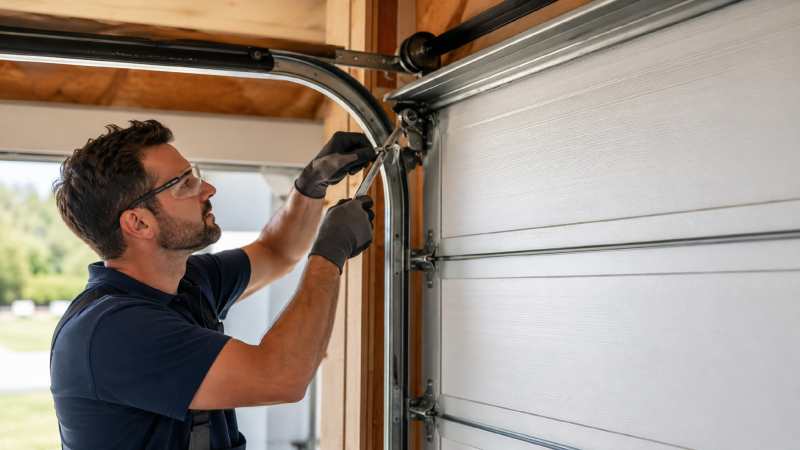
A garage door is one of the largest moving parts of any home, yet it is often overlooked until something goes wrong. Whether you use your garage as the main entrance to your house or simply as a place to store your vehicle and belongings, a properly functioning garage door is essential for safety, security, and convenience.
Many garage door problems develop gradually. A strange noise, slower movement, or minor vibration may seem harmless at first, but these small issues can eventually turn into expensive repairs if ignored. Fortunately, homeowners can prevent many common problems through regular maintenance and by understanding the warning signs of wear and tear.
This guide covers practical garage door repair tips, routine maintenance practices, common issues, and situations where professional assistance is the safest option.
Why Garage Door Maintenance Matters
Garage doors typically open and close several times each day. Over the years, this repeated movement causes parts such as springs, rollers, hinges, and cables to wear out naturally.
Regular maintenance provides several benefits:
- Extends the lifespan of the garage door
- Improves household safety
- Prevents unexpected breakdowns
- Reduces repair costs
- Keeps the door operating quietly and smoothly
- Protects vehicles and stored belongings
A small investment of time in maintenance today can prevent expensive repairs later.
Understand the Main Components of a Garage Door
Before attempting any maintenance or repairs, homeowners should become familiar with the major parts of a garage door system.
Garage Door Panels
These are the large sections that make up the door itself. They may be constructed from steel, aluminium, wood, fiberglass, or composite materials.
Springs
Garage doors rely on either torsion springs or extension springs to support and balance the door’s weight.
These springs operate under extreme tension and should only be repaired or replaced by trained professionals.
Rollers
Rollers allow the door to move smoothly along the tracks.
Tracks
Metal tracks guide the rollers as the garage door opens and closes.
Hinges
Hinges connect individual door panels and allow them to bend during operation.
Cables
Lift cables help raise and lower the garage door safely.
Garage Door Opener
The automatic opener includes the motor, drive system, sensors, and remote-control functions.
Inspect Your Garage Door Regularly
Routine inspections are one of the easiest ways to prevent major garage door issues.
Look for:
- Loose bolts and brackets
- Rust on metal components
- Cracked or damaged panels
- Bent tracks
- Worn rollers
- Frayed lift cables
- Broken weather seals
- Unusual movement
Early detection often prevents more serious damage.
Listen for Unusual Noises
A healthy garage door operates with minimal noise.
Pay attention to sounds such as:
- Grinding
- Squeaking
- Popping
- Rattling
- Scraping
- Clicking
These noises may indicate:
- Dry rollers
- Loose hardware
- Worn bearings
- Damaged hinges
- Misaligned tracks
Ignoring unusual sounds often leads to larger repair bills.
Tighten Loose Hardware
Garage doors vibrate every time they move.
Over time, nuts, bolts, screws, and brackets can loosen naturally.
Inspect all visible hardware every few months and tighten anything that appears loose.
Avoid overtightening, which may damage certain components.
Lubricate Moving Parts
Proper lubrication keeps the garage door operating smoothly and reduces unnecessary wear.
Lubricate:
- Rollers
- Hinges
- Bearings
- Springs (lightly if recommended)
- Lock mechanisms
Avoid applying lubricant to the tracks because it may attract dirt and debris.
Use a lubricant specifically designed for garage doors rather than general-purpose grease.
Keep the Tracks Clean
Dirty tracks can interfere with smooth operation.
Clean them regularly by:
- Removing dust with a dry cloth.
- Wiping away grease buildup.
- Clearing leaves or debris.
- Checking for dents or bends.
If the tracks become significantly bent, replacement is usually safer than attempting to straighten them.
Test the Garage Door Balance
A balanced garage door reduces strain on the opener.
To perform a balance test:
- Disconnect the automatic opener.
- Lift the door halfway.
- Release it carefully.
A balanced door should remain in place.
If it rises or falls quickly, the springs may require adjustment by a professional technician.
Inspect the Rollers
Garage door rollers wear out after years of use.
Check for:
- Cracks
- Flat spots
- Chips
- Excessive wobbling
Replacing worn rollers improves both performance and noise levels.
Examine the Weather Seal
The rubber seal along the bottom of the garage door protects against:
- Rain
- Dust
- Insects
- Small animals
- Cold air
- Heat loss
Replace damaged weather stripping to improve energy efficiency and maintain a cleaner garage.
Keep the Garage Door Clean
Cleaning your garage door improves both appearance and durability.
Wash exterior surfaces using:
- Mild soap
- Warm water
- Soft sponge
- Garden hose
Avoid harsh chemicals that could damage paint or protective finishes.
Wooden doors may require repainting or resealing every few years.
Test the Auto-Reverse Safety Feature
Modern garage doors include an auto-reverse system that helps prevent injuries.
To test it:
- Place a solid object beneath the door.
- Close the garage door.
- The door should reverse immediately after contacting the object.
If it does not reverse, discontinue use until repairs are completed.
Check the Photo-Eye Sensors
Garage door safety sensors prevent the door from closing if something blocks its path.
Inspect the sensors for:
- Dirt
- Spider webs
- Misalignment
- Loose wiring
Clean the lenses gently with a soft cloth.
If the indicator lights blink continuously, the sensors may need adjustment.
Replace Remote Batteries
Sometimes the problem is not the garage door itself.
If the remote stops working:
- Replace the batteries.
- Check the programming.
- Test the wall-mounted control.
- Ensure nothing blocks the signal.
This simple fix often restores normal operation.
Avoid DIY Spring Repairs
Garage door springs store enormous amounts of tension.
Repairing or replacing them without the proper training can lead to serious injuries.
Professional technicians have specialised tools and experience to complete this work safely.
Common Garage Door Problems and Their Solutions
Door Will Not Open
Possible causes include:
- Dead remote batteries
- Power outage
- Broken springs
- Damaged opener
- Misaligned sensors
Start with the simplest checks before contacting a repair professional.
Garage Door Opens Unevenly
An uneven door may indicate:
- Broken cables
- Damaged rollers
- Track problems
- Spring imbalance
Stop using the door until the cause has been identified.
Slow Door Movement
Slow movement often results from:
- Lack of lubrication
- Aging opener motor
- Worn springs
- Dirty tracks
Routine maintenance often restores smoother performance.
Garage Door Closes Then Reopens
This problem usually involves:
- Sensor alignment
- Obstructions
- Incorrect opener settings
Cleaning and realigning the safety sensors frequently resolves the issue.
Excessive Vibration
Vibration may indicate:
- Loose hardware
- Worn rollers
- Bent tracks
- Unbalanced springs
Ignoring vibration may increase wear on other components.
Seasonal Garage Door Maintenance Tips
Spring
- Wash the door.
- Lubricate moving parts.
- Inspect weather seals.
- Test the opener.
Summer
- Check for heat-related expansion.
- Remove dust buildup.
- Tighten hardware.
Autumn
- Clear leaves from tracks.
- Inspect insulation.
- Test the auto-reverse feature.
Winter
- Remove ice near the bottom seal.
- Keep tracks clean.
- Lubricate moving parts with products suitable for cold weather.
Garage Door Safety Tips
Always place safety first when working around garage doors.
Follow these guidelines:
- Keep children away from moving doors.
- Never stand beneath a moving garage door.
- Avoid repairing springs yourself.
- Disconnect power before performing maintenance.
- Use sturdy ladders when inspecting overhead components.
- Wear protective gloves and safety glasses.
Safety should never be compromised to save time or money.
Signs You Need Professional Garage Door Repair
Some repairs require specialised knowledge and equipment.
Contact a qualified technician if you notice:
- Broken springs
- Frayed cables
- Bent tracks
- Door falling rapidly
- Motor failure
- Loud snapping noises
- Door completely stuck
- Significant structural damage
Professional repairs help ensure safe and reliable operation.
Preventive Maintenance Checklist
Use this simple checklist every few months:
- Inspect all hardware
- Lubricate moving parts
- Test door balance
- Clean the tracks
- Wash the garage door
- Check weather seals
- Inspect rollers
- Test safety sensors
- Test auto-reverse system
- Replace remote batteries if needed
Keeping up with these routine tasks can significantly extend the life of your garage door.
Frequently Asked Questions
How often should I lubricate my garage door?
Most experts recommend lubricating moving parts every six months or more frequently if the door is used heavily.
Can I replace garage door rollers myself?
Some homeowners can replace standard rollers, but if the rollers are connected to high-tension components, professional assistance is recommended.
Why is my garage door so noisy?
Noise is commonly caused by worn rollers, loose hardware, dry hinges, or insufficient lubrication.
How long does a garage door typically last?
With proper maintenance, a quality garage door can last between 15 and 30 years, depending on its material, usage, and environmental conditions.
Is it safe to repair garage door springs?
No. Garage door springs are under high tension and can cause serious injury if handled improperly. Spring repairs should always be performed by trained professionals.
Conclusion
A well-maintained garage door provides dependable performance, enhances home security, and contributes to the overall value of your property. While many routine maintenance tasks—such as cleaning, lubricating moving parts, tightening hardware, and testing safety features—can be handled by homeowners, recognising the limits of DIY repair is equally important. Qualified professionals should always address issues involving springs, cables, or major mechanical components.
By following these garage door repair tips and carrying out regular inspections, you can reduce the risk of unexpected breakdowns, extend the life of your garage door system, and enjoy smooth, safe operation for years to come. Consistent preventive care is the simplest and most cost-effective way to keep your garage door functioning reliably every day.