
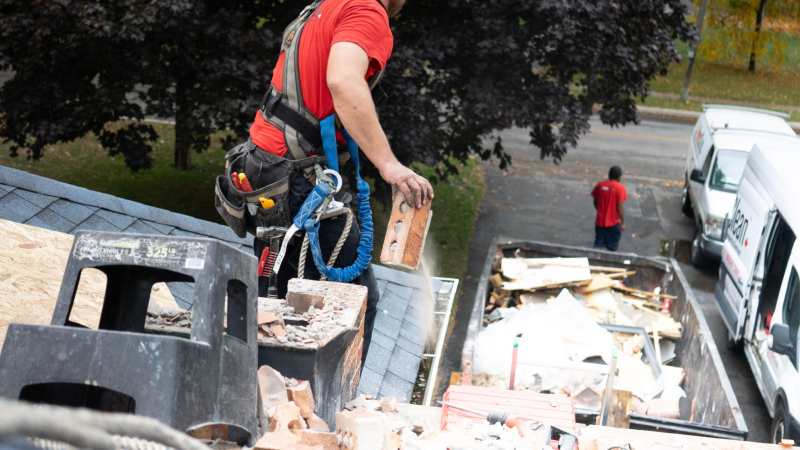
Exterior construction projects depend on timing, access, and clean staging areas. Roofing crews, siding crews, deck builders, window installers, gutter crews, masonry contractors, and exterior remodelers often work with large deliveries while also removing old materials from the property. If dumpster placement and material delivery planning are not coordinated, the jobsite can become crowded fast.
For exterior contractors, dumpster use should be planned around the full flow of the project. Old materials need to come off the structure, new materials need protected staging space, crews need room to work, and service trucks need access to the dumpster. When disposal and deliveries are planned together, contractors can reduce delays, prevent repeat handling, and keep the property more organized from start to finish.
Start With the Project Timeline
The first step is reviewing the project timeline. Exterior work usually creates waste in stages. Tear-off or removal may happen first, followed by repairs, weatherproofing, installation, trim work, and final cleanup. New materials may arrive before removal starts, during the work, or after the old exterior has already been stripped.
Contractors should identify when the biggest debris-producing phase will overlap with the largest material delivery. A roofing tear-off may happen the same day shingles arrive. A siding project may require old panels, housewrap, trim, and packaging to be managed while new siding is staged. Deck work may involve removing old boards and railings while new lumber or composite materials arrive.
A good dumpster plan follows the schedule instead of reacting to clutter after it appears.
Review Site Access Before Delivery Day
Exterior contractors often work with limited space. Driveways, side yards, alleys, sidewalks, cul-de-sacs, narrow streets, fences, trees, overhead wires, and landscaping can all affect placement. Before scheduling a dumpster or material delivery, contractors should review how trucks will enter, unload, turn around, and leave.
The review should include both the disposal truck and the delivery truck. A dumpster that fits in the driveway may still block a boom truck, flatbed, or supplier vehicle from placing materials where crews need them. Likewise, a material pallet dropped in the wrong spot may prevent dumpster service later.
Access planning should happen before either truck arrives.
Choose Dumpster Placement with Deliveries in Mind
Dumpster placement should make debris loading efficient without taking over the best material staging area. Exterior materials often need to be kept close to the work zone, but they also need protection from traffic, water, mud, and damage. If the dumpster is placed where pallets, bundles, or boxed materials need to go, crews may spend extra time shifting supplies.
The ideal location depends on the project. For roofing, the dumpster may need to be close to the tear-off area. For siding, it may need to support debris from several elevations. For deck or porch work, it may need to be near the removal zone without blocking lumber staging. For windows and doors, the container should not interfere with safe material handling or homeowner access.
Working with providers such as Waste Removal USA can help exterior contractors coordinate dumpster rental placement around project access, delivery timing, and cleanup needs. The best setup supports both disposal and installation.
Keep New Materials Separate From Debris
New exterior materials should never be staged where debris can fall, scatter, or be tossed nearby. Shingles, siding, trim, windows, doors, decking, railing components, fasteners, housewrap, flashing, and gutter materials all need clean staging areas. If debris and new materials overlap, crews may damage supplies or waste time sorting through the site.
Contractors should establish separate zones for waste, usable materials, tools, and active work. This is especially important when several trades or subcontractors are on-site. Everyone should know where debris belongs and where new materials are protected.
Clear separation prevents confusion and reduces the risk of accidental damage.
Plan for Tear-Off Debris Before Materials Arrive
On many exterior projects, the old materials must come off before new work can begin. Roofing tear-offs, siding removal, deck demolition, porch repairs, trim replacement, and window or door replacements can all produce bulky debris quickly. If a dumpster is not ready when removal begins, debris may be piled on tarps, lawns, driveways, or walkways.
That temporary staging can interfere with deliveries. Suppliers may arrive to find the best unloading area already filled with old shingles, siding panels, wood, nails, or packaging. Contractors can avoid this by scheduling dumpster delivery before the removal phase starts.
The cleaner the site is when new materials arrive, the easier the delivery will be.
Coordinate With Suppliers
Exterior contractors should communicate with suppliers about delivery timing and placement expectations. If materials need to be set in the driveway, near the garage, along the side of the house, or in a specific staging zone, that should be planned. The dumpster should not block the unloading route.
Suppliers may also need a clear path for forklifts, boom trucks, or hand unloading. If the driveway is narrow or the property has limited frontage, delivery and dumpster service may need to happen at different times. Contractors should avoid assuming both can occur smoothly in the same space.
A few coordination steps before delivery can prevent a messy jobsite shuffle.
Protect Driveways, Lawns, and Walkways
Exterior work often puts heavy use on driveways, lawns, walkways, and side yards. Dumpsters, pallets, equipment, ladders, and repeated foot traffic can stress surfaces. Contractors should decide where materials and debris can be placed without damaging the property.
Driveways may need to handle both the dumpster and material deliveries. Lawns may need protection if crews will carry debris or materials across them repeatedly. Walkways should stay clear enough for workers and homeowners to move safely.
Property protection should be part of the logistics plan, not something handled after damage occurs.
Keep Dumpster Service Access Open
A dumpster is only useful if it can be serviced when needed. During exterior projects, access can change quickly as materials arrive, crews park vehicles, scaffolding is set up, or equipment is moved into place. If a dumpster becomes blocked by pallets, ladders, trucks, or debris piles, pickup or swap service may be delayed.
Contractors should keep a clear access path to the container throughout the job. This may require setting expectations with crews and delivery drivers. Materials should not be placed in front of the dumpster simply because open space is available.
Protecting service access keeps debris removal from becoming a bottleneck.
Watch for Bulky Exterior Debris
Exterior debris can be bulky even when it is not especially heavy. Siding panels, decking boards, railing sections, gutters, fascia, soffit, trim, housewrap, windows, doors, and packaging can fill container space quickly. Roofing debris, masonry, concrete, and tile may add weight concerns as well.
Contractors should estimate both the volume and type of debris before choosing the disposal plan. Long materials may need to be cut down when practical. Bulky items should be loaded in a way that avoids wasted space.
Exterior debris can overwhelm a site when it is treated as an afterthought.
Control Loose Materials
Exterior jobsite debris can spread easily. Wind can move housewrap scraps, plastic packaging, shingle wrappers, foam, cardboard, and light siding pieces. Nails, screws, staples, trim fragments, and small cutoffs can scatter into lawns, driveways, planting beds, and sidewalks.
Contractors should keep loose debris moving into the dumpster rather than letting it accumulate around the work area. Regular cleanup is especially important in occupied neighborhoods where windblown debris can reach neighboring properties. If storms or high winds are expected, loose materials should be secured before crews leave.
Good debris control protects both the site and the contractor’s reputation.
Coordinate Dumpster Use Across Multiple Trades
Some exterior projects involve more than one trade. A project may include roofing, siding, gutters, windows, masonry repairs, painting, deck work, or landscaping near the same time. Each crew may generate its own debris and packaging.
Contractors should clarify who can use the dumpster, what materials are acceptable, and when the container may need service. If one crew fills it unexpectedly, the next trade may lose disposal access. If questionable items are loaded without review, the job can become more complicated.
Shared dumpster expectations help keep multiple crews from working against each other.
Think About Cost and Efficiency Together
Exterior contractors often look for practical ways to get rid of construction debris without slowing the project. The cheapest option is not always the one with the lowest initial price if poor placement, extra handling, or delayed service adds labor to the job. Disposal planning should support productivity as well as budget control.
A dumpster that is placed too far from the work zone may cost crews time all day. A container that is too small may require extra service at the wrong moment. A poorly timed delivery may cause new materials to be moved twice.
Efficient disposal planning helps control total project cost by reducing wasted labor.
Plan Around Homeowner Access
Many exterior projects happen while homeowners remain in the house. Driveways, garage doors, porches, side entrances, walkways, and gates may still be used during the work. Dumpster placement and material staging should not make daily access unnecessarily difficult.
Contractors should discuss which routes the homeowner needs to keep open. If the driveway must be partially blocked, the homeowner should know when and for how long. If materials will be staged near an entry, crews should maintain a clear walking path.
Good communication helps prevent frustration during active construction.
Adjust as the Project Changes
Exterior projects often change once work begins. Crews may uncover rot, damaged sheathing, failed flashing, hidden structural issues, poor drainage, or extra layers of old material. These changes can increase debris and alter delivery needs.
Contractors should revisit dumpster capacity and staging plans when the scope changes. If additional materials are coming in or more debris is coming out, the original layout may no longer work. Adjusting early is better than waiting until the site is crowded.
Flexible logistics help keep the job moving when surprises appear.
Schedule Cleanup Before Final Deliveries or Finish Work
Final phases of exterior projects often involve trim, touch-ups, gutters, hardware, sealants, paint, cleanup, and inspections. By this stage, old debris should be mostly cleared so finish work can happen in a cleaner environment. A cluttered site makes final details harder and can leave a poor impression.
Contractors should schedule cleanup checkpoints before key finish phases. This may include removing tear-off debris before installation, clearing packaging before trim work, and cleaning around the property before final walkthrough. The dumpster should support these checkpoints instead of remaining overloaded until the end.
A cleaner finish phase helps the project look professional.
Avoid Common Coordination Mistakes
One common mistake is treating dumpster placement and material delivery as separate decisions. On exterior jobs, they compete for the same space. Another mistake is letting suppliers place materials wherever there is open room without considering dumpster service or crew flow.
Contractors should also avoid waiting until the dumpster is full before scheduling pickup during high-volume phases. If more tear-off debris or packaging is coming, service should be planned ahead. Finally, crews should not allow debris to spread into material staging zones.
Coordinated planning prevents unnecessary handling and delays.
Exterior contractors need dumpster plans that work alongside material deliveries. Roofing, siding, deck, window, gutter, and exterior renovation projects all require space for old materials leaving the site and new materials arriving. If those two flows are not coordinated, the jobsite can become crowded, inefficient, and harder to manage.
By reviewing access early, placing dumpsters with deliveries in mind, separating debris from new materials, protecting service routes, coordinating with suppliers, and adjusting as the project changes, contractors can keep exterior work moving smoothly. A strong disposal plan helps protect materials, reduce wasted labor, and maintain a cleaner, more professional jobsite.