
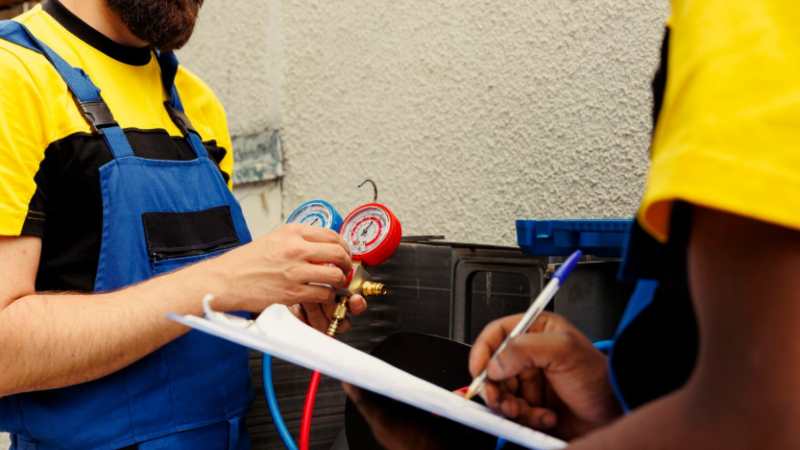
A comfortable home depends greatly on its heating, ventilation, and air conditioning (HVAC) system. Whether it’s the warmth of winter or the cool relief of summer, your HVAC system plays a crucial role in maintaining the perfect indoor environment. However, many homeowners take their HVAC systems for granted—until something goes wrong. Regular maintenance not only helps prevent sudden breakdowns but also improves energy efficiency, air quality, and overall comfort.
This article on Keeping Your Home Comfortable: Expert HVAC Maintenance Tips provides practical guidance for maintaining your system, recognizing warning signs, and ensuring long-term reliability.
Why HVAC Maintenance Matters
Your HVAC system works year-round to regulate temperature and air circulation. Over time, dust, debris, and wear can reduce efficiency and strain components. Regular maintenance ensures that your system operates at peak performance, helping you save money on energy bills and avoid expensive repairs.
Key Reasons to Maintain Your HVAC System
-
Improved Efficiency – Clean filters, coils, and ducts allow your system to run smoothly without overworking.
-
Longer Lifespan – Routine checks and tune-ups prevent early wear and extend the system’s life.
-
Better Air Quality – A well-maintained system reduces dust, allergens, and pollutants circulating in your home.
-
Cost Savings – Maintenance helps identify small issues before they become costly emergencies.
-
Consistent Comfort – Prevents uneven temperatures and ensures steady airflow throughout your home.
Neglecting maintenance not only increases costs but can also affect your health and comfort.
Understanding the Components of Your HVAC System
To maintain your system effectively, it helps to understand its main components.
1. Heating Unit
Usually powered by gas, oil, or electricity, the heating system—such as a furnace or heat pump—provides warmth in colder months.
2. Cooling Unit
The air conditioner removes heat from your indoor air and releases it outside, maintaining a cool environment during summer.
3. Ventilation System
This network of ducts and vents circulates air throughout your home, ensuring balanced airflow and temperature control.
4. Thermostat
The thermostat acts as the control center, allowing you to adjust temperatures for comfort and efficiency.
Understanding these parts helps homeowners detect when something feels “off” and may need attention.
Seasonal HVAC Maintenance Checklist
Regular maintenance should be performed at least twice a year—once before summer and once before winter. Below is a seasonal checklist to help keep your system in top shape.
Spring and Summer Maintenance
-
Clean or replace air filters every 1–3 months.
-
Inspect refrigerant levels and look for leaks.
-
Clean condenser and evaporator coils.
-
Ensure outdoor units are free from debris, leaves, and branches.
-
Test the thermostat to confirm accurate temperature control.
Fall and Winter Maintenance
-
Check the furnace burners and heat exchanger for proper function.
-
Inspect carbon monoxide detectors.
-
Lubricate moving parts like fans and motors.
-
Clean ducts and vents to prevent dust buildup.
-
Ensure insulation is adequate to reduce energy loss.
These steps ensure that your HVAC system is prepared for changing seasons and maintains consistent performance.
Air Filter Maintenance: The First Step to Efficiency
Air filters are often overlooked, but they are the heart of any HVAC maintenance routine. A clogged filter restricts airflow, forces the system to work harder, and increases energy consumption.
Tips for Managing Air Filters
-
Check Monthly: Especially during high-use seasons.
-
Replace Regularly: Typically every 90 days, or more frequently if you have pets or allergies.
-
Choose the Right Filter: HEPA filters offer superior filtration but may require stronger systems.
Replacing filters is one of the simplest and most effective ways to keep your home comfortable and your system efficient.
Duct Cleaning and Airflow
Over time, dust, mold, and debris accumulate inside ducts, reducing airflow and circulating allergens. Duct cleaning should be done every 3–5 years or as needed.
Signs You May Need Duct Cleaning
-
Increased dust levels despite cleaning.
-
Inconsistent airflow in different rooms.
-
Musty or unpleasant odors from vents.
-
Visible mold or pest infestation inside ducts.
Proper duct cleaning ensures that your HVAC system distributes clean, healthy air throughout your home.
Thermostat Settings and Smart Controls
Modern thermostats are more than temperature regulators—they’re smart devices that help optimize energy use.
Tips for Efficient Thermostat Use
-
Set temperatures slightly higher in summer and lower in winter to save energy.
-
Use programmable or smart thermostats to automate schedules.
-
Adjust settings when you’re away to reduce unnecessary heating or cooling.
Smart thermostats can even learn your habits and make automatic adjustments to keep your home comfortable without wasting energy.
Signs Your HVAC System Needs Attention
Even with regular care, systems can develop issues over time. Recognizing early warning signs helps prevent costly breakdowns.
Common Warning Signs:
-
Unusual noises such as rattling, buzzing, or squealing.
-
Weak airflow or uneven temperatures.
-
Strange smells like burning or mustiness.
-
Frequent cycling on and off.
-
Unexpected increases in energy bills.
If you notice these symptoms, it’s important to act quickly. Minor repairs handled early can prevent full system failure later.
Energy Efficiency and Cost Savings
Maintaining your HVAC system contributes directly to energy savings. According to industry estimates, regular maintenance can reduce energy use by up to 20%.
Energy-Saving Tips:
-
Seal windows and doors to prevent air leaks.
-
Use ceiling fans to help circulate conditioned air.
-
Schedule annual professional inspections.
-
Keep outdoor units shaded but unobstructed.
-
Insulate ductwork in unheated areas.
By combining maintenance with smart energy habits, homeowners can enjoy comfort while keeping utility costs under control.
The Role of Professional HVAC Inspections
While DIY maintenance is helpful, professional inspections ensure a thorough check of system performance and safety.
Benefits of Professional Inspections:
-
Detect hidden problems like refrigerant leaks or worn belts.
-
Verify system efficiency through performance testing.
-
Ensure safety with electrical and gas component checks.
-
Provide expert advice for long-term care.
Scheduling a professional HVAC inspection at least once a year is an investment in comfort, safety, and savings.
Indoor Air Quality and Health Benefits
A well-maintained HVAC system doesn’t just control temperature—it also improves indoor air quality. Clean filters, ducts, and coils reduce airborne contaminants like dust, pollen, and mold.
Good air quality supports respiratory health, especially for children, elderly individuals, and those with allergies or asthma.
Maintaining a healthy system means cleaner air, fewer pollutants, and a more comfortable living space.
Extending the Life of Your HVAC System
A new HVAC system can be a significant investment, so extending its lifespan through proper care makes financial sense.
Longevity Tips:
-
Keep the system clean and free of obstructions.
-
Schedule regular tune-ups.
-
Replace old components before they fail.
-
Maintain consistent use rather than frequent on-off cycling.
-
Keep outdoor units protected from extreme weather.
Most HVAC systems last between 10 to 15 years with good maintenance, but proactive care can extend that life considerably.
Eco-Friendly HVAC Practices
Sustainability is becoming increasingly important in home management. Eco-friendly HVAC practices not only reduce energy bills but also minimize your carbon footprint.
Sustainable Practices:
-
Use high-efficiency HVAC units with ENERGY STAR ratings.
-
Opt for natural ventilation when the weather allows.
-
Upgrade insulation to reduce heating and cooling needs.
-
Dispose of old refrigerants responsibly.
Integrating these habits contributes to both environmental protection and long-term comfort.
Troubleshooting Common HVAC Problems
Even well-maintained systems can occasionally malfunction. Understanding basic troubleshooting steps helps homeowners handle small issues before calling a technician.
Simple Fixes:
-
No Airflow: Check filters or circuit breakers.
-
Uneven Cooling: Ensure vents are open and unblocked.
-
Thermostat Malfunction: Replace batteries or reset the system.
-
Strange Odors: Clean filters or schedule a duct inspection.
For major issues—like refrigerant leaks or compressor failure—professional repair is necessary.
Safety Considerations
Safety should always be a top priority when maintaining or inspecting HVAC systems.
Safety Tips:
-
Turn off the power before cleaning or inspecting components.
-
Avoid using chemical cleaners near HVAC units.
-
Keep flammable materials away from outdoor systems.
-
Ensure carbon monoxide detectors are functioning properly.
Following safety guidelines prevents accidents and ensures your system operates reliably.
Conclusion
A comfortable and energy-efficient home depends on a well-maintained HVAC system. Regular care improves performance, saves money, and supports healthy living conditions. From changing filters and cleaning ducts to scheduling professional inspections, every small step adds up to major long-term benefits.
As this guide on Keeping Your Home Comfortable: Expert HVAC Maintenance Tips highlights, proper maintenance is not just about avoiding breakdowns—it’s about ensuring consistent comfort and peace of mind throughout the year.
By staying proactive, adopting seasonal habits, and understanding your system’s needs, you can enjoy a home that’s cozy, efficient, and healthy all year round.