
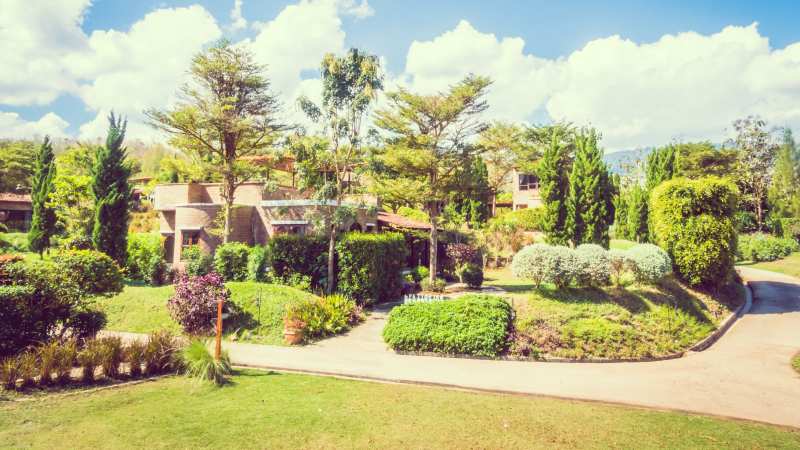
Designing a landscape that is both functional and beautiful can completely transform your property, boost curb appeal, and make your outdoor space more enjoyable. Whether you want a relaxing garden, a child-friendly yard, or a low-maintenance environment, understanding the basics of landscape planning will help you build an outdoor area that meets your needs. This complete homeowner’s guide explains key principles, practical steps, and expert tips to help you create a space that balances charm, purpose, and long-term value.
1. Understanding the Purpose of Your Landscape
Before choosing plants or laying pathways, you need to understand how you want your outdoor space to function. A well-designed landscape is not purely decorative—it supports your lifestyle.
Questions to Ask Yourself
-
Do you want areas for outdoor dining or entertaining?
-
Should the space be safe and fun for children or pets?
-
Do you need privacy from neighbors?
-
Are you aiming for a low-maintenance yard?
-
Do you want to grow vegetables, herbs, or flowers?
Having clarity about your priorities will determine your layout, plant selection, materials, and maintenance requirements.
2. Assessing Your Outdoor Space
A smart landscape design begins with understanding the natural features of your yard.
Key Elements to Evaluate
Sun and Shade Patterns
Observe which areas get full sun, partial sun, or deep shade. This will guide plant placement and seating areas.
Soil Type and Drainage
Check whether your soil is clay-heavy, sandy, or loamy. Poor drainage may require amendments or raised beds.
Existing Structures
Take note of fences, patios, trees, slopes, and utility lines. These features can be incorporated into your design or inspire new ideas.
Yard Elevation
Slopes may require terracing, retaining walls, or erosion-control solutions.
Understanding your landscape’s existing conditions prevents costly mistakes and helps you build a design that works with—not against—nature.
3. Establishing Your Landscape Style
Your landscape should complement your home’s architecture while reflecting your personal taste. Choosing a landscape style early will help you maintain consistency throughout the entire project.
Popular Landscape Styles
Modern Minimalist
-
Clean lines
-
Simple plant palettes
-
Stone, concrete, and metal accents
Traditional Garden
-
Lush flowerbeds
-
Symmetrical designs
-
Classic shrubs such as boxwood
Rustic or Naturalistic
-
Native plants
-
Curved pathways
-
Natural materials like wood and stone
Mediterranean
-
Drought-tolerant plants
-
Terra-cotta accents
-
Gravel pathways
Selecting a style creates aesthetic harmony and helps guide all other design decisions.
4. Creating a Functional Layout
Once you know your goals and style, the next step is planning the layout. A functional landscape divides the outdoor area into zones that serve specific purposes.
Common Outdoor Zones
-
Living Zone: patios, decks, outdoor seating
-
Dining Zone: tables, grills, outdoor kitchens
-
Play Zone: open lawn, playground, sandbox
-
Garden Zone: flowerbeds, vegetable gardens
-
Pathways: routes connecting all areas
Using zones ensures your yard flows naturally and each space serves a clear purpose.
Tips for Better Layout Planning
-
Keep entertainment areas near the house.
-
Place seating where you can enjoy shade or views.
-
Separate busy spaces from quiet ones.
-
Use pathways or plants to define boundaries.
A clear layout improves usability and makes your yard feel organized and inviting.
5. Choosing the Right Plants for Function and Beauty
Plants are the heart of any landscape. Choosing the right ones increases visual appeal while reducing maintenance.
Plant Categories to Consider
Trees
Provide shade, structure, privacy, and long-term value.
Shrubs
Define pathways, border gardens, and add year-round greenery.
Perennials
Return annually and offer repeated seasonal blooms.
Annuals
Provide bright colors for one season and allow design flexibility.
Groundcovers
Control erosion and reduce lawn maintenance.
Plant Selection Tips
-
Select species suited to your climate zone.
-
Mix plant heights for depth and interest.
-
Use native plants—they require less water and care.
-
Choose drought-resistant varieties for hot climates.
-
Incorporate evergreens for a year-round structure.
A balanced plant palette ensures your landscape looks attractive during every season.
6. Incorporating Hardscaping for Structure and Durability
Hardscaping includes non-plant elements such as walls, patios, pathways, and water features. These components provide structure and increase functionality.
Popular Hardscape Features
-
Patios and decks for entertaining
-
Stone or gravel pathways for easy navigation
-
Retaining walls for slopes or decorative borders
-
Fences for privacy and security
-
Pergolas and gazebos for shade and style
-
Water features like fountains or ponds for relaxation
Hardscaping should complement the natural environment and not overwhelm it. A good rule is to balance softscape (plants) and hardscape for harmony.
7. Enhancing Your Landscape with Lighting
Outdoor lighting is both practical and aesthetic. It extends the usability of your yard into the evening and highlights key features.
Types of Landscape Lighting
-
Path lights: guide footsteps and improve safety
-
Spotlights: highlight trees or architectural features
-
Deck and step lights: prevent tripping hazards
-
String lights: add ambiance to patios
-
Solar lights: eco-friendly and easy to install
Lighting transforms your outdoor environment into a warm and welcoming nighttime escape.
8. Designing for Low Maintenance
Many homeowners want a beautiful yard without the constant upkeep. Fortunately, smart planning can reduce long-term maintenance.
Low-Maintenance Strategies
-
Limit large lawns and choose drought-tolerant grass alternatives.
-
Use mulch to reduce weeds and retain moisture.
-
Choose native plants that thrive naturally in your climate.
-
Install drip irrigation for efficient watering.
-
Opt for perennial-heavy gardens instead of annuals.
A low-maintenance design saves time, money, and effort—without sacrificing beauty.
9. Adding Personal Touches to Your Landscape
Your outdoor space should reflect your personality and lifestyle. Adding decorative and practical elements can make the area feel more customized and inviting.
Ideas for Personalizing Your Yard
-
Decorative pots and planters
-
Outdoor art or sculptures
-
Fire pits or fireplaces
-
Bird feeders or butterfly gardens
-
Comfortable outdoor furniture
-
Colorful cushions or rugs
These touches make your space unique and enjoyable year-round.
10. Long-Term Care and Seasonal Maintenance
Even a well-designed landscape requires care to stay healthy and attractive.
Seasonal Maintenance Checklist
Spring
-
Fertilize lawns
-
Prune bushes and trees
-
Plant new flowers
Summer
-
Water consistently
-
Remove weeds
-
Monitor pests and diseases
Fall
-
Rake leaves
-
Prepare soil for winter
-
Plant fall-friendly perennials
Winter
-
Protect sensitive plants
-
Clear snow from pathways
-
Plan future garden updates
Regular maintenance protects your investment and keeps your outdoor space looking fresh.
Frequently Asked Questions (FAQs)
1. How do I decide which landscaping style suits my home?
Choose a style that complements your home’s architecture and personal taste. Consider whether you prefer minimalist, traditional, rustic, or tropical layouts.
2. What plants are best for a low-maintenance landscape?
Native plants, drought-tolerant species, evergreens, and perennials are the easiest to maintain and require less watering.
3. How can I improve my yard’s privacy without building a fence?
Use tall shrubs, hedges, ornamental grasses, or strategically placed trees to create natural privacy screens.
4. What is the best way to start landscape planning as a beginner?
Begin by evaluating your yard’s sunlight, soil, and drainage. Then create a basic layout with zones before selecting plants and materials.
5. How much should I budget for landscaping?
Costs vary depending on yard size, materials, and features. Start with essential upgrades like pathways, plants, and seating, then add extras over time.