
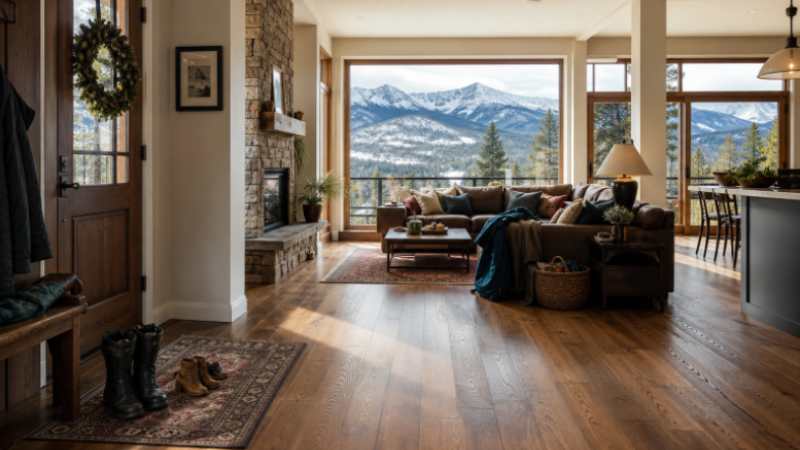
Hardwood floors can bring warmth, durability, and natural character to a Colorado home, but the right choice starts with the local climate. Northern Colorado homeowners contend with dry winter air, heated interiors, bright sunlight, snow, muddy entryways, and quick seasonal changes. Those conditions do not rule out wood flooring. They simply make planning, product selection, and indoor humidity control more important.
For homeowners comparing materials and project details, hardwood flooring Colorado guidance from Siena Wood Floors Inc. can offer useful regional context. Based in Windsor and serving Fort Collins and Northern Colorado, the company’s website covers hardwood floor selection, in-home measurement, installation, finishing, and project preparation. With more than 15 years of experience working in Colorado homes, the team understands how dry air, active households, and seasonal changes can affect a flooring decision.
Why Colorado Calls for a Different Flooring Plan
A floor sample may look excellent in a showroom, yet performance depends on much more than color. The home’s level, the subfloor, direct sun exposure, pets, ski gear, children, and routine maintenance all matter. A thoughtful plan considers where the floor will go and how the home behaves through every season, rather than selecting a species or stain based on appearance alone.
How Dry Air Affects Wood Flooring
Wood is hygroscopic, meaning it naturally exchanges moisture with the surrounding air. When indoor heating lowers relative humidity in winter, flooring can lose moisture and contract. As humidity rises again, it can expand. Oregon State University Extension explains these wood moisture relationships in detail, including why temperature and humidity affect the size and behavior of wood products.
In a very dry Colorado winter, homeowners may notice narrow gaps between boards, minor squeaks, finish stress, or small splits around naturally weaker areas. Some seasonal movement is expected with real wood and does not automatically indicate a failed installation. The key is to distinguish temporary, modest movement from signs of persistent moisture trouble or structural change.
Colorado’s Four Seasons and Floor Performance
Each season creates a different set of conditions for hardwood:
- Winter: Furnaces and closed windows can reduce indoor humidity, causing boards to contract.
- Spring: Snowmelt, rain, wet shoes, and muddy paws can introduce moisture at entries and mudrooms.
- Summer: Outdoor humidity changes, air conditioning, open windows, and strong sun can affect both moisture levels and finish color.
- Fall: Cooler temperatures and renewed heating can shift indoor conditions again.
A simple hygrometer is a practical tool for tracking relative humidity instead of guessing. Consistent indoor conditions are generally easier on hardwood than repeated swings between very dry and very humid air.
Solid Hardwood or Engineered Hardwood?
Solid Hardwood
Solid hardwood is milled from one piece of wood and can often be sanded and refinished several times over its life. It can be an excellent choice for above-grade living rooms, bedrooms, dining rooms, and other spaces with relatively stable conditions. In Colorado, installation timing, acclimation, expansion space, and humidity management are especially important for solid boards.
Engineered Hardwood
Engineered hardwood has a real wood surface over layered backing materials. That construction can provide added dimensional stability when moisture conditions change. It is often a practical option for basements, lower levels, concrete subfloors, or rooms with greater seasonal variation. Product quality still matters, as do proper subfloor preparation and an installation method approved by the manufacturer.
Neither construction is automatically best. The better choice is the one that fits the room, the subfloor, expected traffic, and the home’s moisture conditions.
Choosing a Wood Species for Busy Northern Colorado Homes
Oak, maple, hickory, and walnut each create a different look and wear pattern. Oak is widely valued for its grain and repairability. Maple offers a cleaner, subtler grain. Hickory is hard and visually varied, while walnut provides rich color but is softer than some common alternatives. Hardness matters, but it is not a guarantee against scratches from grit, pet nails, furniture, or outdoor gear.
For active homes with dogs, children, hiking boots, or ski equipment, medium tones and grain with natural variation can make everyday marks less noticeable. A carefully chosen finish and realistic maintenance plan often matter as much as the species itself.
Why Width, Finish, and Color Matter
Wide planks can create an open, modern appearance, but their seasonal movement may be more noticeable than with narrower boards. Matte and low-sheen finishes are often practical because they reduce glare and can hide small scratches better than high-gloss surfaces. Very dark stains may show dust, pet hair, and footprints more readily, while lighter and mid-tone floors can brighten rooms during shorter winter days.
Always view full-size samples in the actual room. Check them in morning light, afternoon sun, and artificial evening light before making a final decision.
Installation Details That Help Prevent Problems
- Inspect the subfloor: Address uneven areas, damaged sections, movement, and moisture concerns first.
- Measure conditions: Record room temperature and relative humidity before materials arrive.
- Follow acclimation requirements: Allow flooring to adjust as directed by its manufacturer.
- Leave expansion space: Maintain proper perimeter gaps at walls, cabinets, and fixed objects.
- Use the right method: Nail-down, glue-down, and floating systems suit different products and subfloors.
- Protect the new surface: Keep dust, heavy traffic, and moisture away until finishes have properly cured.
Rushing preparation can create more problems than the flooring itself. A sound, dry, level subfloor and careful installation create the foundation for long-term performance.
Daily Care for Snow, Sand, Pets, and Sun
- Use sturdy mats at exterior doors to catch grit, salt residue, and melting snow.
- Wipe up standing water promptly rather than letting it sit on the finish.
- Use felt pads under furniture and lift heavy items when moving them.
- Trim pet nails and sweep high-traffic areas frequently.
- Use a vacuum designed for hard floors or a soft-floor setting.
- Avoid soaking the floor or using harsh household cleaners.
- Use blinds, shades, or rugs to reduce uneven fading from strong afternoon sun.
When Seasonal Gaps Are Normal and When to Call for Help
Narrow gaps that appear during a dry winter may lessen or close when indoor moisture rises. It is often wise to monitor the room and humidity level before filling gaps or planning a refinish. Oklahoma State University explains how humidity causes dimensional changes in wood, which helps explain why seasonal movement can occur.
Seek a professional evaluation when gaps remain large, boards cup, buckling appears, the finish separates, or changes follow a leak or water event. Those symptoms can point to a moisture problem that needs attention beyond routine seasonal adjustment.
A Simple Checklist Before Choosing Hardwood
- What level of the home will receive the flooring?
- Is the subfloor wood, concrete, or another material?
- Does the home have reliable humidity control?
- Will pets, children, snow, or outdoor gear create heavy traffic?
- Does the room receive strong direct sunlight?
- Would a light, medium, dark, rustic, or modern look fit the space?
- Will regular cleaning and seasonal inspections be realistic?
- Would solid or engineered hardwood better suit the room?
Choose for the Home, Not Just the Sample
Colorado homeowners do not have to sacrifice the warmth and character of hardwood floors. They simply need to choose with local conditions in mind. A floor that suits the room, subfloor, humidity level, traffic pattern, and maintenance routine is more likely to look good and perform well for years to come.